


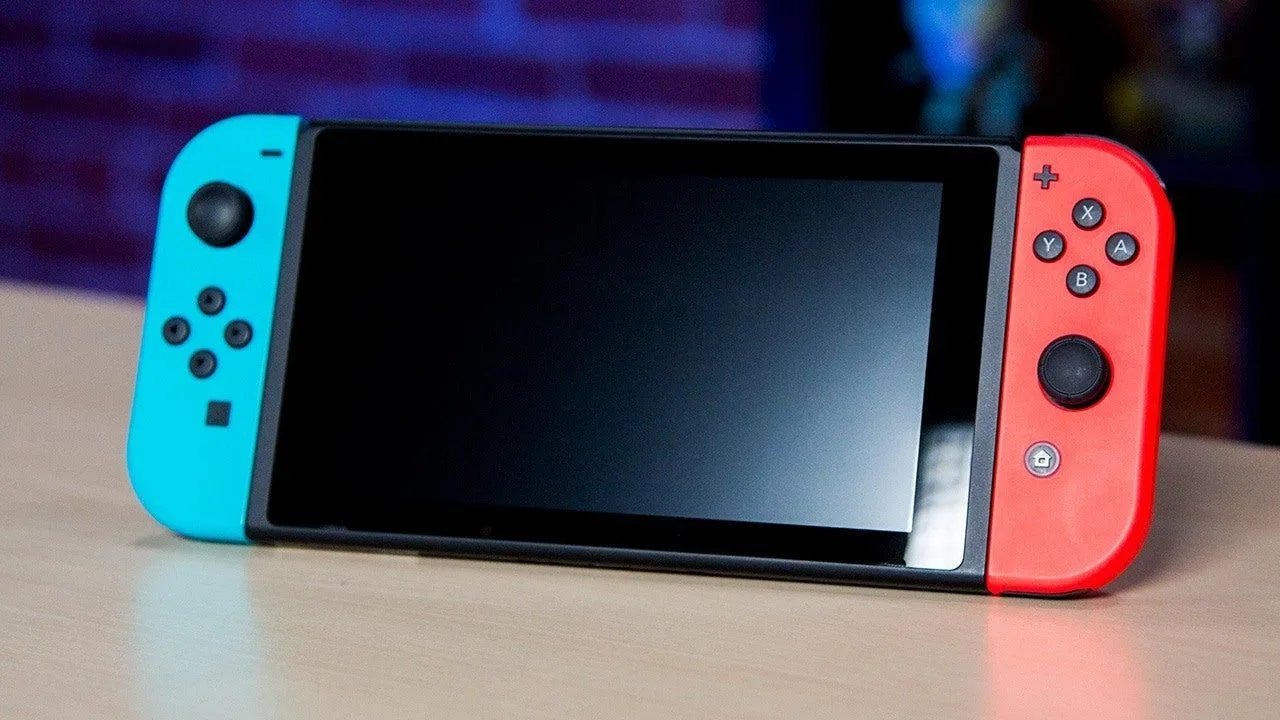
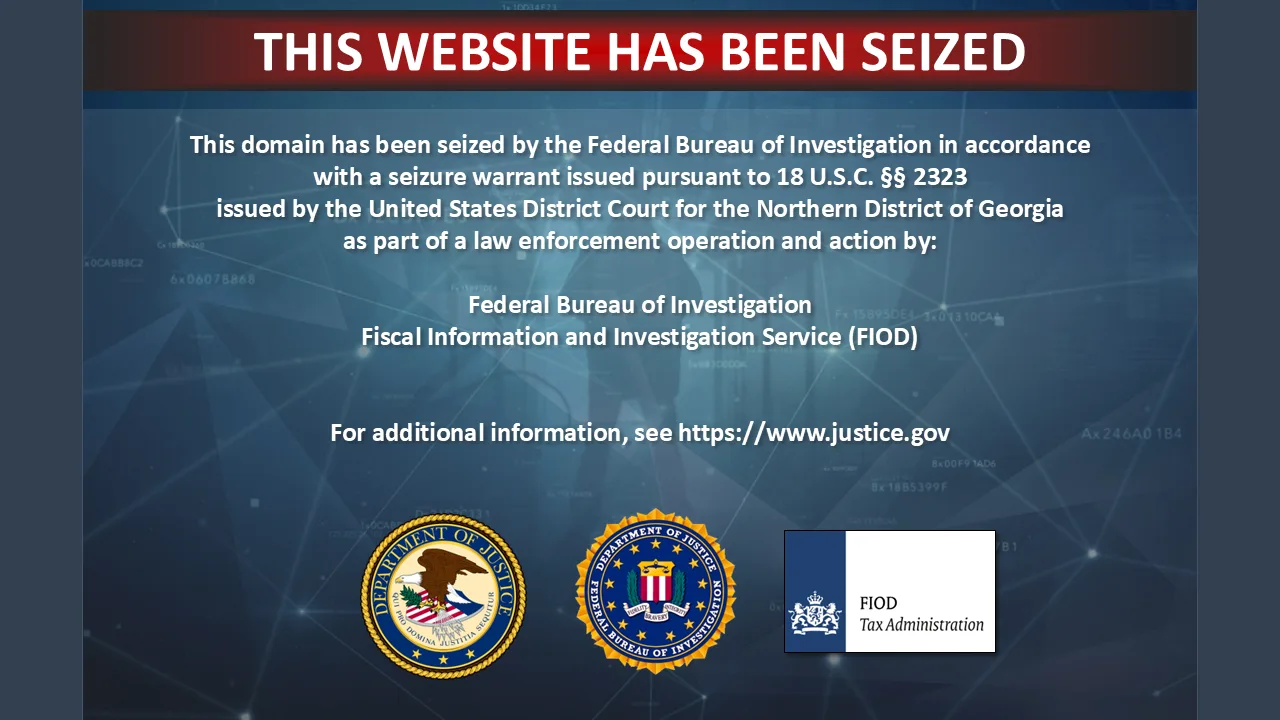
The FBI has officially taken down the website Nsw2u, one of the largest platforms for the illegal distribution of games . The FBI coordinated an international operation in partnership with FIOD, a Dutch agency specializing in financial crimes.
- K-Pop invades PUBG: aespa arrives in the game in update 36.2
- Nintendo announces the end of Coupons on the Switch
US authorities seized the domain, which now displays an official notification, after identifying the site as one of the main access points for illegal Switch downloads. This initiative represents another move by Nintendo to curb piracy on its systems, especially the Switch, which has faced security vulnerabilities since its launch.
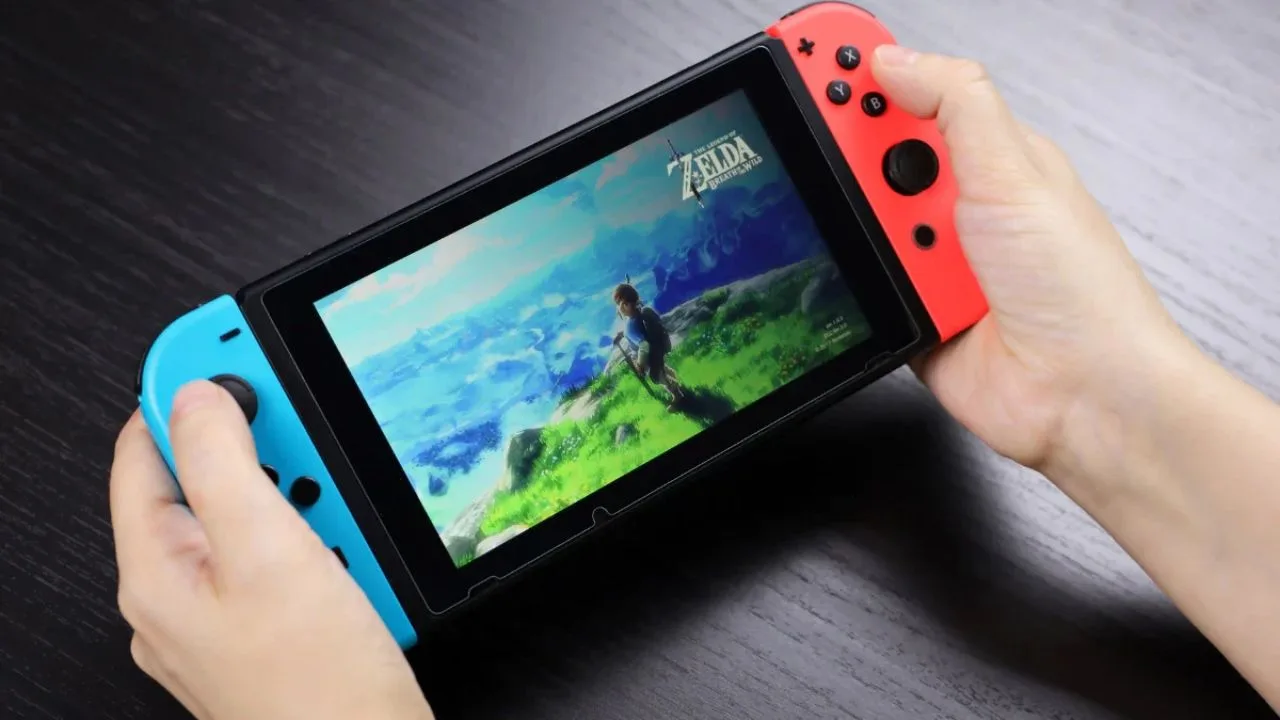
Users of hacked consoles have adopted the site as their main reference
For years, Nsw2u served as one of the main ROM repositories for the Nintendo Switch, providing complete games for users with jailbroken consoles or those who relied on emulators. The platform allowed free access to newly released titles, which made it especially popular among players who avoided legally purchasing games.
According to reports from users on the Switch Piracy subreddit, the site remained active until just a few hours before being blocked. This indicates that the FBI's action was swift and strategic, surprising even the site's most frequent visitors.
Furthermore, the European Union recently included Nsw2u on a list of copyright-infringing domains, which likely accelerated the investigation and confiscation process.
Nintendo and the FBI intensify their crackdown on emulators and modifications
The action against Nsw2u reinforces Nintendo's aggressive stance against piracy. In recent years, the Japanese company has filed a series of lawsuits against emulator developers and distributors of hardware aimed at unlocking consoles.
In 2024, for example, the company won a lawsuit against the creators of the Yuzu emulator. It was used to run Switch games on PCs and other unlicensed devices. Additionally, another recent target was Modded Hardware, accused of selling modification chips and MIG devices that facilitated the installation of ROMs.