


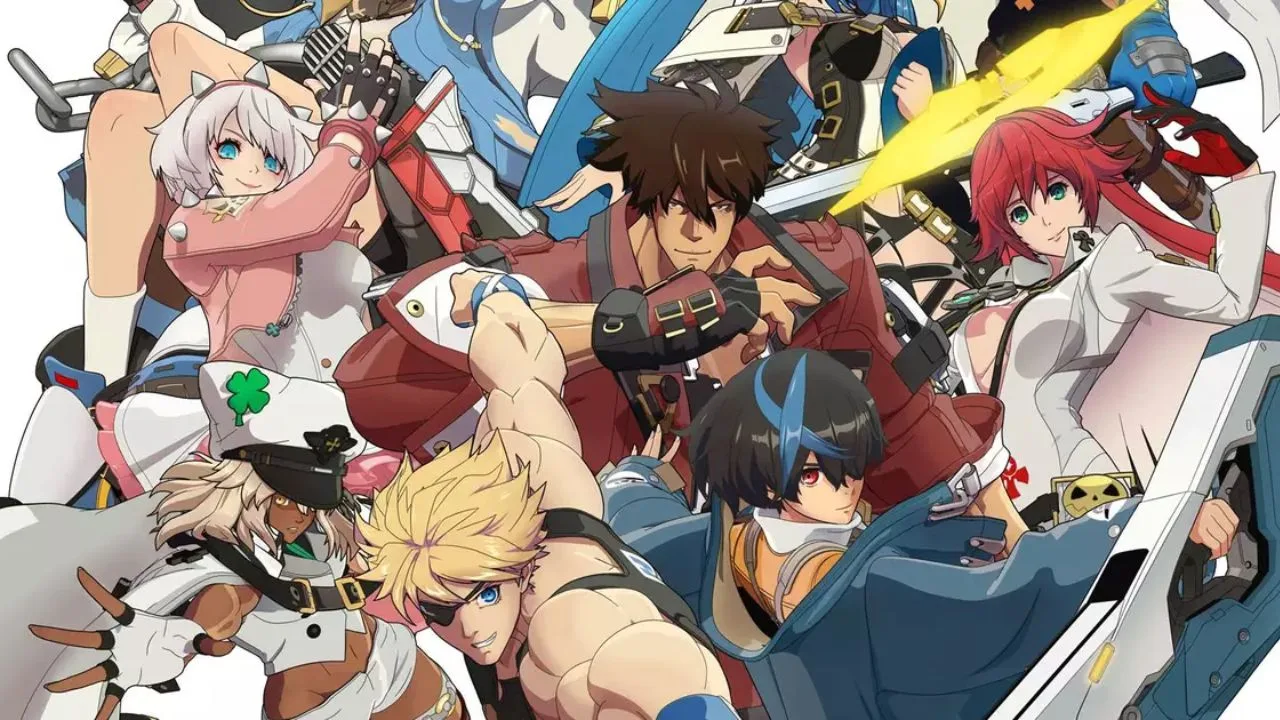
The Guilty Gear franchise has been around for over two decades as one of the most creative and memorable fighting game series in video games. Created by Daisuke Ishiwatari in 1998, the saga blends heavy rock, magic, science fiction, and electrifying duels with iconic characters. Now, about to get its first anime, "Guilty Gear Strive: Dual Rulers," which premieres in April 2025 on Crunchyroll, old and new fans alike are wondering: where to begin?
- Games of the week: console and PC releases between April 7th and 11th
- Re:Zero shuts down mobile game after 9 months since launch
To follow the story without getting lost, it's important to understand the chronological order of the main games in the franchise, as well as what each one brought that was new. Below, we explain the plot of the main titles and their contributions to the evolution of the Guilty Gear universe.

The birth of magic and the Gears
It all begins in the 90s, when a global technological collapse paralyzes communication and plunges the world into chaos. A man known only as The Original presents magic as the solution to the crisis. With this, a new era is born, in which magical energy replaces conventional technology.
In 2015, Project Gear emerges: a scientific initiative aimed at creating magical life forms. The plan ends up generating modified biological beings, the Gears, programmed to obey human orders. However, the first sentient Gear, Justice, rebels and declares war on humanity, starting the Crusades—a conflict that lasts a hundred years.
Guilty Gear (1998): the beginning of the journey
Five years after Justice's supposed defeat, a tournament is held to find new members for the Sacred Order of the Holy Knights. Sol Badguy, the series' protagonist, wins the competition and faces a weakened Justice. Thus, the game marks the debut of the air-dash system and the dreaded one-hit kill moves.
With its frantic gameplay and striking visual style, Guilty Gear has carved out a niche for itself by combining manga elements with intense combat.

Guilty Gear X (2000): The emergence of Dizzy
The plot thickens with the appearance of Dizzy, Justice's daughter. Despite being peaceful, she is hunted for posing a threat to humanity. Ky Kiske, Sol's rival and leader of the knights, falls in love with her, beginning a forbidden romance.
In terms of gameplay, the title introduces mechanics that have become standard in the series, such as Roman Cancel and the Dust button, in addition to early ports and revisions.

Guilty Gear XX (2002): Conspiracies and Revelations
Two weeks after the events of Guilty Gear X, the mysterious I-No, servant of "That Man," manipulates several characters, including Sol and Ky. The plot deepens with Dizzy's kidnapping and the rise of secret organizations.
The XX version became known for the various editions released over the years and for the addition of MOM mode, which rewards players for creative combos and strategic use of items.

Guilty Gear 2: Overture (2007): The leap into 3D action
Breaking with the traditional format, Overture features real-time battles with territorial defense elements. The story takes place years later, with Ky now king of Illyria and father of Sin, raised by Sol. The plot revolves around the emergence of Valentine, a clone of Aria (Justice), and a new global threat.
However, despite the genre change, the game expanded the franchise's universe, introducing the Backyard, an alternate dimension where the laws of reality are shaped.

Guilty Gear Xrd (2014–2015): the war against the Valentines
Divided into Sign and Revelator, this arc takes place in the late 2180s. Ramlethal Valentine declares war on humanity, followed by Elphelt and other "sisters." Behind them is the Universal Will, an entity that has manipulated the course of history since the beginning of the magical age.
With groundbreaking 3D cel-shaded graphics that simulate 2D animation, Xrd redefined the look of fighting games. They transformed the story mode into an interactive movie and introduced new characters, such as Jack-O', an essential part of the current plot.

Guilty Gear -Strive- (2021): the climax of the saga
Strive concludes the main arcs of the series. Sol confronts her past, while Asuka R. Kreutz (That Man) attempts to correct the mistakes of Project Gear. Happy Chaos's invasion of the White House sets the stage for decisive battles and emotional resolutions.
In addition to its refined visuals, the game introduced the Wall-Break system, allowing transitions between areas during combat, and adjustments to the mechanics to attract new players without losing strategic depth.

Dual Rulers (2025): the anime that continues the story
Set after the events of Strive, the anime Guilty Gear Strive: Dual Rulers begins with Ky abdicating the throne of Illyria to rule Vialattea alongside Dizzy. The couple decides to formalize their marriage between human and Gear, which generates tension between extremist factions. Then Unika emerges, a mysterious figure who opposes the union and promises new conflicts.
Studio Sanzigen will produce the anime and adapt the franchise's visual style for television.

Make the most of Guilty Gear
To get the most out of Guilty Gear Strive: Dual Rulers, it's worth revisiting the main games in the series, either through updated versions or by watching the story modes available in the most recent editions. The complexity of the plot may seem challenging, but it rewards players with a rich narrative full of twists and turns and captivating characters.
With over 20 years of history, Guilty Gear remains one of the most original fighting game franchises, combining style, a memorable soundtrack, and innovative mechanics. Now, with the anime's premiere, it's the perfect time to dive headfirst into this universe.