Advertising

Kojima talks about the rejection of Death Stranding and admits the game is strange

Stefani Couto
Journalist by training, gamer by passion! I write about games, trivia, and guides to help other players explore this incredible universe.

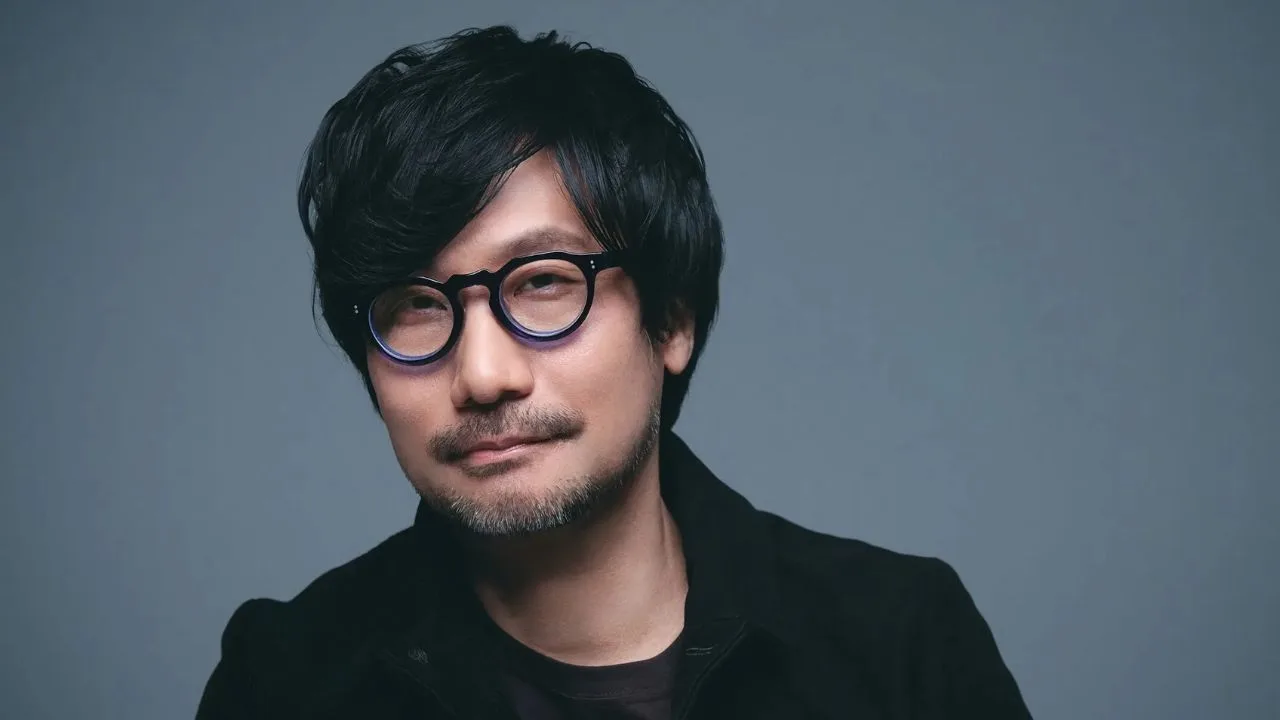
Japanese director Hideo Kojima stated that Death Stranding is, in fact, a strange game. Known for challenging conventions, he commented on the title's reception in a recent interview with the British magazine Edge. According to the creator, 60% of participants in preliminary tests considered the game bad. Despite this, Kojima assesses the result as balanced and consistent with his artistic vision. This revelation reinforces his stance that the success of a project does not depend on universal acceptance, but on fidelity to the original vision.

Released in 2019, Death Stranding garnered attention for combining unusual mechanics with a complex and symbolic narrative. The player takes on the role of a lone deliveryman in a devastated world, tasked with reconnecting isolated cities. The story involves surreal elements such as encapsulated babies, invisible entities, and a character carrying the body of the President of the United States to be incinerated. Kojima acknowledges that these elements sound strange, but states that this is part of his creative identity.

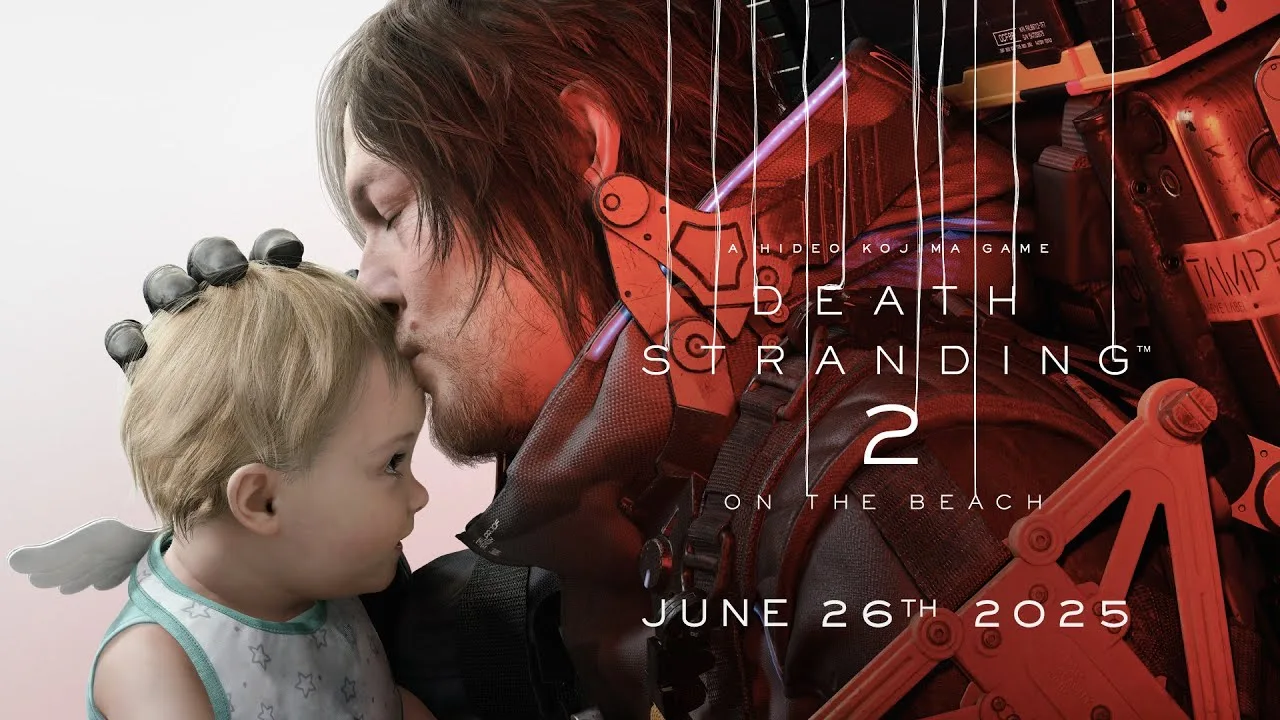
Death Stranding 2 On The Beach gets a release date and trailer
Photo: Courtesy of Kojima Productions

Creator avoids script adjustments to please audience

During the interview, Kojima emphasized that he doesn't change the plot or themes of his games based on feedback. For him, giving in to external pressures would compromise the integrity of the project. Changes are welcome in technical aspects, such as controls and camera, but the core of the work remains unchanged. According to the director, trying to please everyone leads to generic productions. His goal is to provoke reactions, even negative ones.

This approach has been with Kojima since previous titles, such as the Metal Gear series, and unreleased projects, like a game where the character loses their memory if the player stops playing. His preference for bold ideas has solidified his name as one of the most original in the gaming industry, even if it means alienating part of the audience.

Hideo Kojima will be in Brazil with his Death Stranding 2 tour
Photo: Courtesy of Kojima Productions

Expectations for Death Stranding 2 grow with new revelations

The sequel to Death Stranding is in production and is expected to expand on the concepts presented in the first game. Without revealing many details, Kojima stated that he will continue exploring complex themes and visual metaphors. Confirmed elements include a guitar-playing villain and a talking puppet. The director himself says he is curious about the audience's reaction to these choices, but assures that he will continue to bet on experiences that challenge the conventional.

Furthermore, the new phase of Kojima Productions in partnership with Sony allows for more creative freedom, according to him. The studio maintains its independence and avoids being tied to formulas or market trends. For Kojima, the future of games lies in experiences that surprise, even if they run the risk of being misinterpreted.

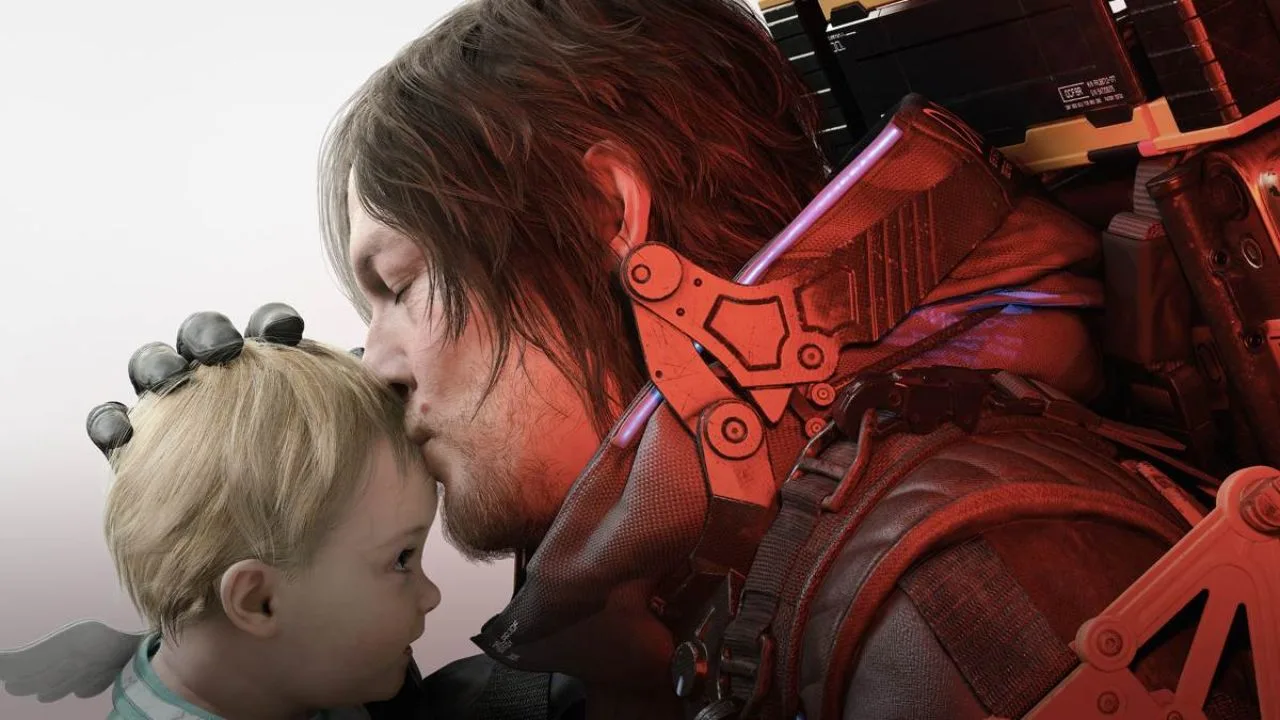
Death Stranding 2
Photo: Courtesy of Kojima Productions

Unconventional creativity remains a trademark

Hideo Kojima's willingness to take risks and innovate has secured his place as a unique figure in the gaming world. Despite criticism, Death Stranding was nominated for several awards and generated intense debates about the role of narrative in games. His choice to maintain his creative essence, even in the face of rejection, reinforces a rare stance in an industry increasingly driven by data and commercial trends.

For the audience, this means expecting games that break away from the predictable. For Kojima, it's a matter of principle. Creating something that no one else would create seems to be, for him, the true meaning of developing a game.