


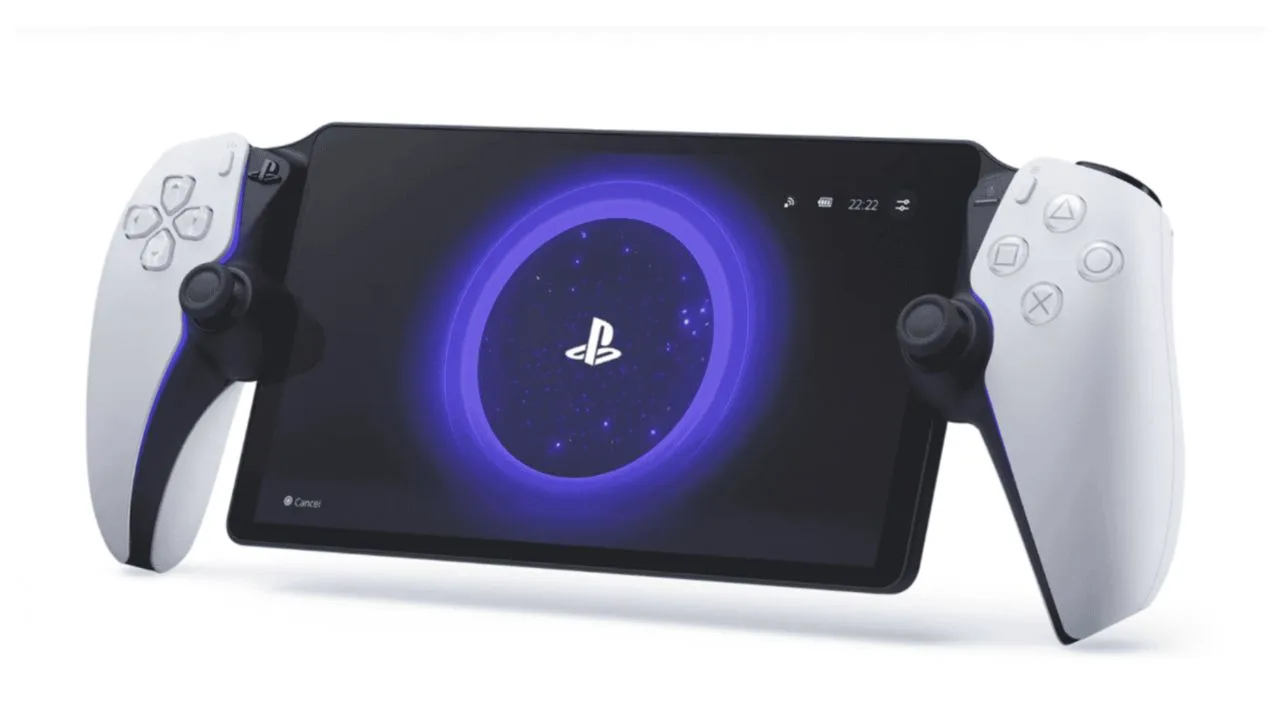
The development of a new Sony handheld console has gained momentum after detailed technical specifications were leaked. The leak came from a source known for accurately anticipating information from AMD and the PlayStation line. Although the device is still far from being released, the information is already attracting attention for indicating advanced hardware. Furthermore, it would be capable of running PS5 titles efficiently.
- Check out the banners for Phase 1 of Genshin Impact 5.7
- Nintendo Switch 2 needs this to attract more players
The information was revealed by KeplerL2, known for accurately predicting details about the PlayStation 5 Pro. According to him, the new handheld will feature an APU based on a brand-new AMD architecture. Called UDNA, it promises to surpass the performance of previous generations and offer AI-powered upscaling capabilities, something unprecedented in mobile devices with Radeon graphics.
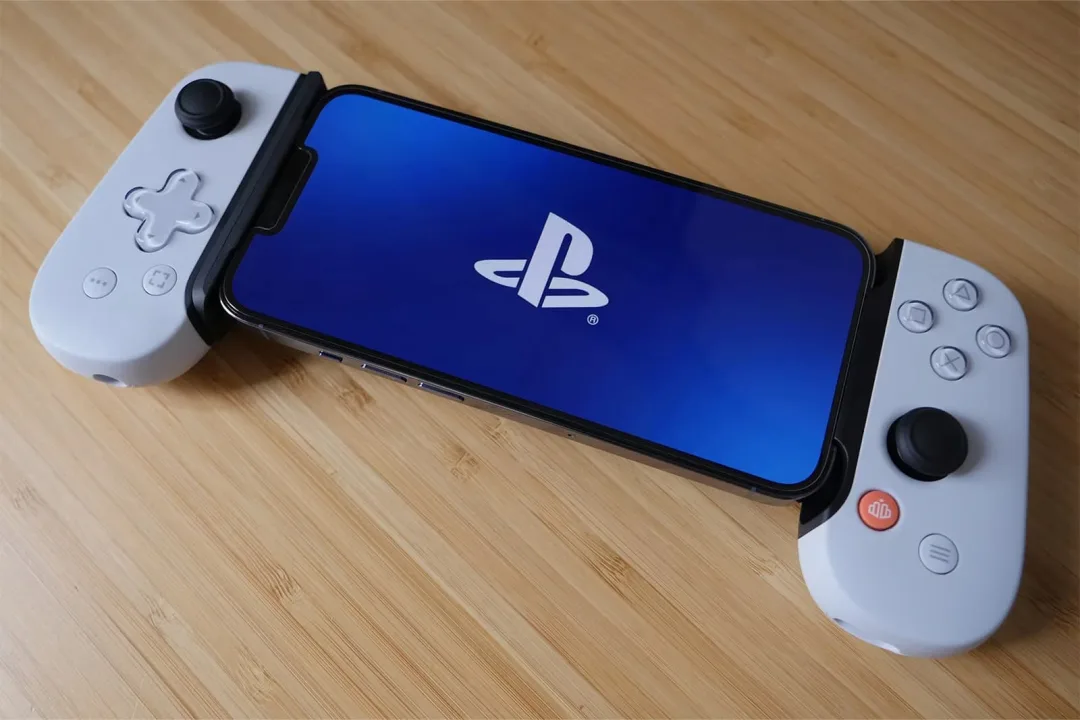
UDNA architecture can guarantee a performance leap in laptops
The main innovation lies in the adoption of the UDNA graphics architecture, a fusion between AMD's cDNA and RDNA technologies. This new standard represents a considerable advance over the RDNA 3.5 present in chips like the Strix Point. UDNA should also be compatible with machine learning tools, such as FSR 4 or PSSR, Sony's proprietary upscaling technology.
With 16 compute units and 32 ROPs, the chip suggests raw capacity similar to that of processors found in desktop consoles, but with a focus on portability and efficiency. The expectation is that the performance per compute unit will be significantly higher than that of current chips, such as the Z1 Extreme and the upcoming Z2 Extreme.
Faster memory and dedicated cache enhance the performance proposition
To overcome historical limitations in AMD laptops, the project includes LPDDR5X memory with a speed of 9600MT/s, surpassing the 8000MT/s found in competing models. In addition, it will feature a 16MB MALL (Memory Access at Last Level) cache, designed to reduce bottlenecks and optimize memory bandwidth usage.
Although the 128-bit bus remains, the same one used by devices like the Steam Deck, the use of fast memory and intelligent caching should compensate for some of the limitations. The handheld should also have 16GB of RAM, which puts it on par with the PS5, at least in terms of capacity.
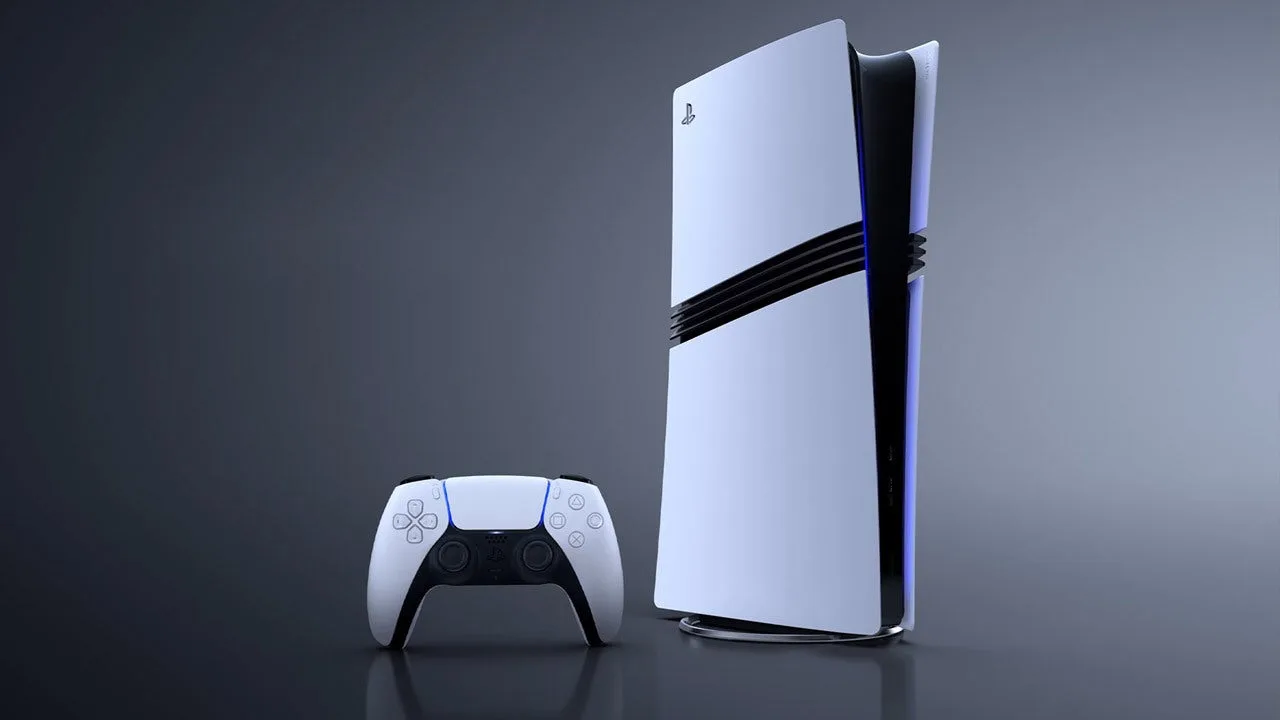
The portable device will be able to run PS5 games with adjustable resolution and frame rate
One of the most interesting points revealed is the possible low-bandwidth development mode in the PS5 kits. This is designed to facilitate the adaptation of games to the new handheld. This indicates that the device may be able to run current-generation titles, even if at lower resolutions or frame rates.
The idea is similar to the strategy used by Microsoft with the Xbox Series S, but with an important difference: the handheld should share the same architecture as the future PlayStation 6, suggesting that it will be compatible with simplified versions of next-generation games.
Competition on hold: Sony could take the lead in the high-end laptop market
In the current scenario, few competitors seem ready to challenge Sony's offering. AMD doesn't have another UDNA chip on its radar in the short term. Microsoft, meanwhile, appears to be distancing itself from this market, preferring partnerships with third-party manufacturers, as was the case with Asus's ROG Ally X.
Meanwhile, Valve is still waiting for a technological leap to invest in the successor to the Steam Deck. Nvidia and Intel are also making moves: the former with ARM-based solutions, and the latter with the Lunar Lake chip, present in the MSI Claw 8 AI+.
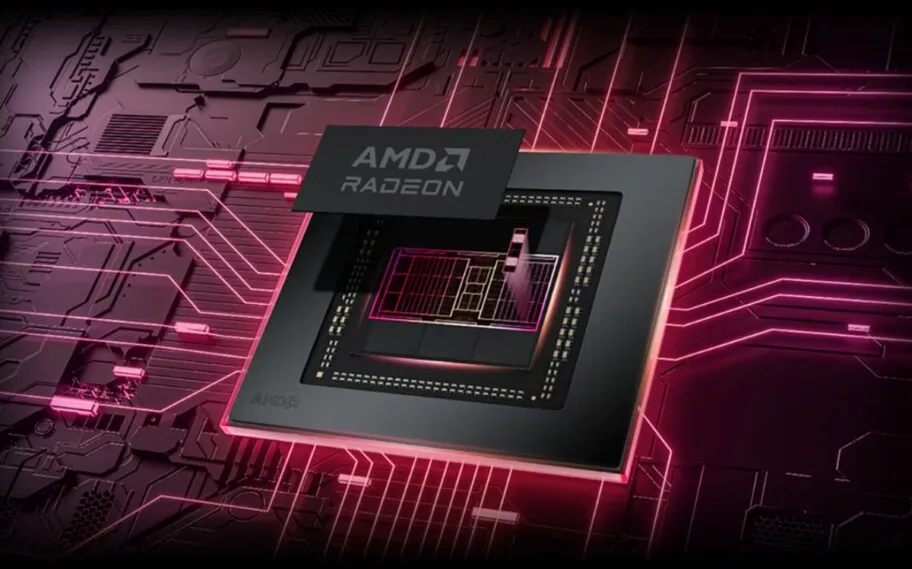
Expectations for the launch and strategic role of the new laptop
While there's still no official release date, Sony's new handheld console is expected to arrive close to the upcoming PlayStation 6, strengthening the brand's ecosystem. By focusing on a portable platform integrated with the development of home games, Sony can create a unified system that attracts developers and players interested in mobility without sacrificing the complete experience.
The project shows promise not only as a successor to the PS Vita, but also as a strategic response to the fragmentation of portable devices with Windows and Steam OS. If the leaks are confirmed, the device could redefine the market, positioning Sony as a pioneer in a new standard of portability and performance.