


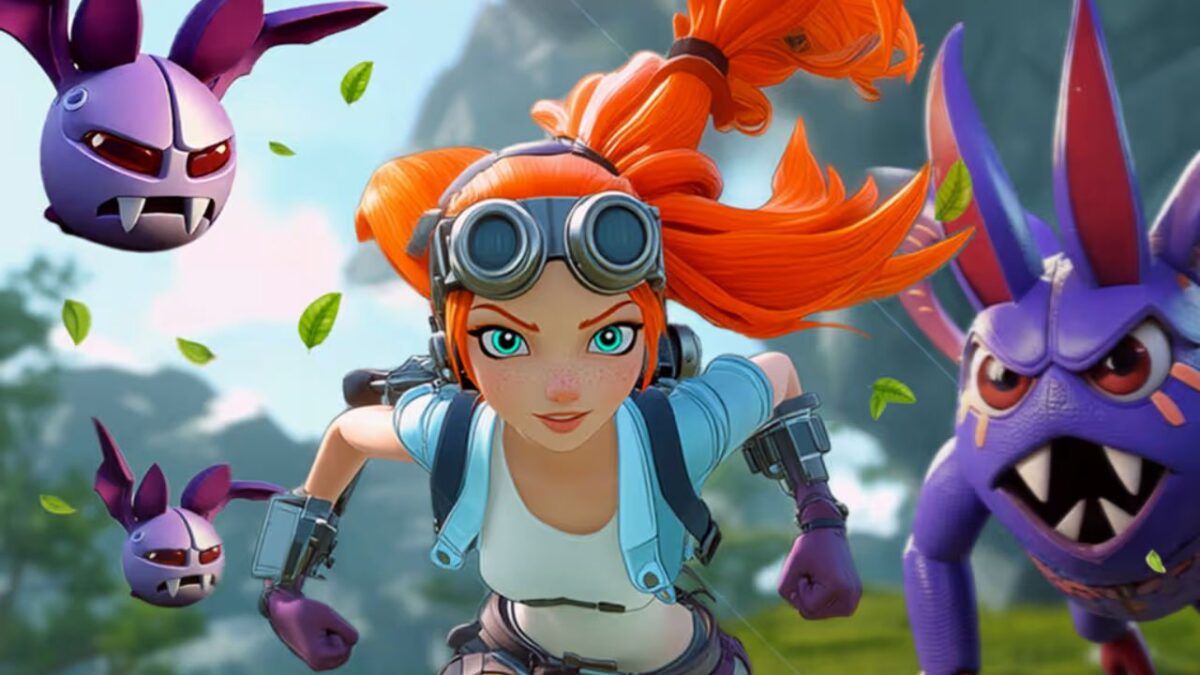
The phenomenon Palworld captivated millions of players by blending creature capture, survival, and building in a single universe. However, a new title on the Nintendo Switch is drawing attention for its undeniable similarity to PocketPair's game: Palland. Available on the eShop for R$ 57.99, the release reignites discussions about the line between inspiration and copying in the gaming market.
- Resident Evil Requiem may be Leon S. Kennedy's farewell
- Honkai Star Rail 3.5: Full list of achievements and rewards
Produced by BoggySoft, Palland promises survival, exploration, and companion creature management mechanics. With varied scenarios and dynamic missions, the game seeks to attract fans of the genre. However, the visual and conceptual similarity to Palworld raises questions about the originality of the work and the presence of clones on digital platforms.
Palland and its similarities to Palworld
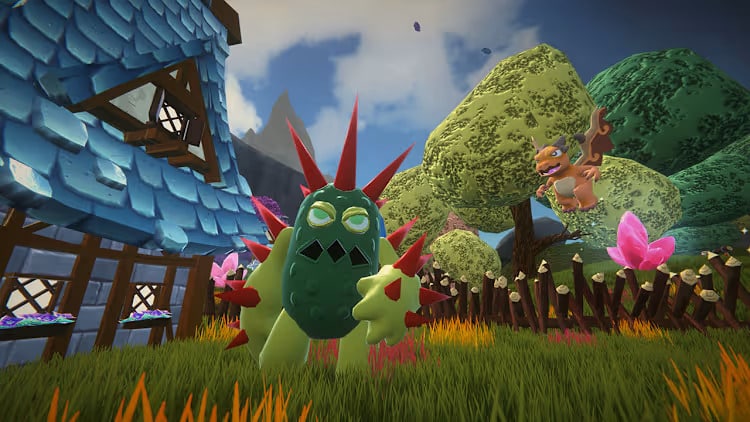
Videos released by content creators on YouTube show that Palland follows a formula very similar to Palworld. From the art style to the proposed interaction with creatures, the similarities are evident. The difference is that, in this version, the visuals are more simplified and there are no capture mechanics, which limits part of the experience that made the original so popular.
The choice of simple graphics ensures that Palland runs smoothly on the Switch, including the original model. Despite this, the technical performance doesn't compensate for the lack of depth in the gameplay. With repetitive missions and little variety in interactions, the game may quickly lose the audience's interest.
The problem of clones in the digital market
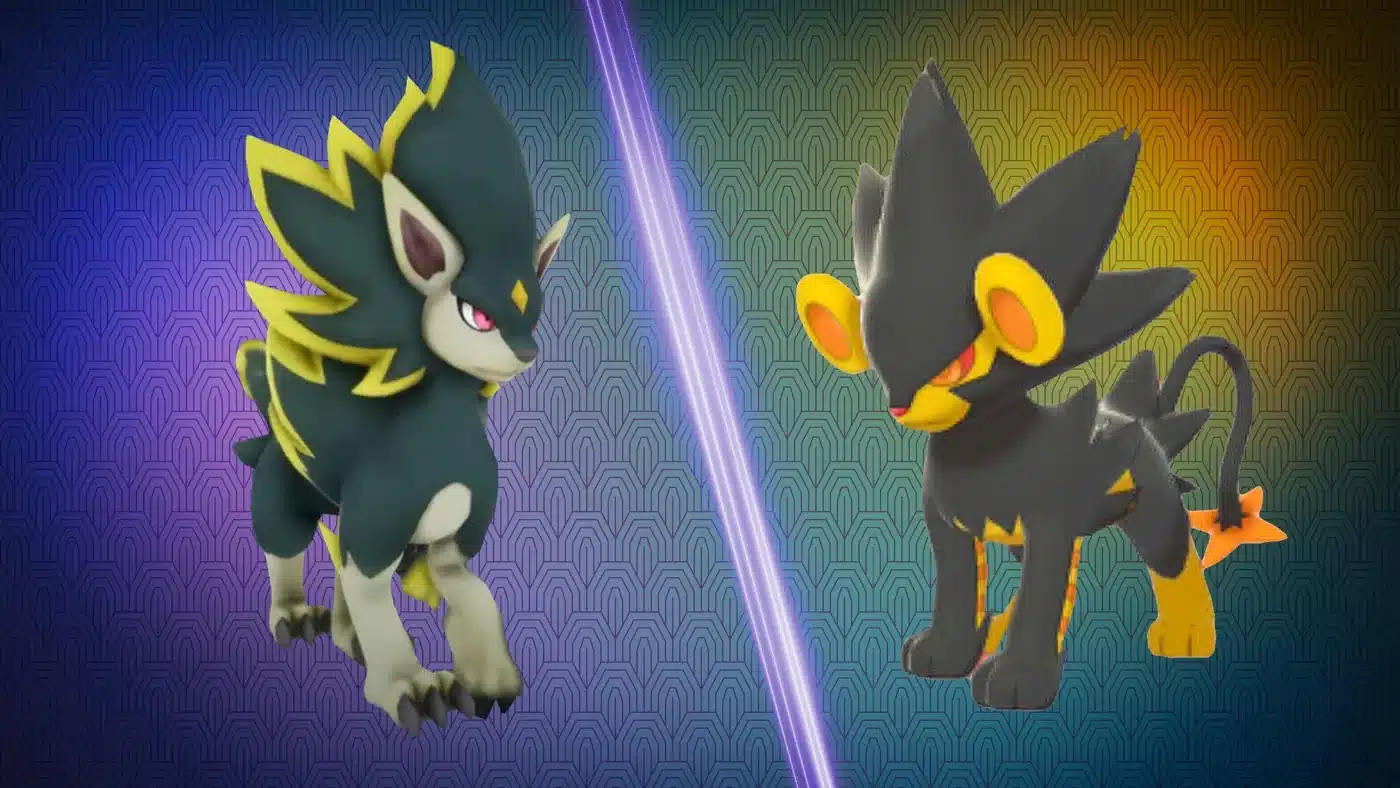
Palland is not an isolated case. The eShop and other digital stores have become platforms for the launch of games that imitate major hits. However, in many cases, these productions take advantage of lax publishing systems to sell cheap copies, targeting unsuspecting consumers.
Before Palland, the title The Last Hope gained notoriety for being a low-budget version of The Last of Us on the Switch. Although these games end up being removed, the initial sales seem sufficient to motivate new attempts. This practice raises debates about the responsibility of the platforms and the need for more efficient filters.
Stay up to date with more news on our official WhatsApp and follow AnimeNew on Instagram .