


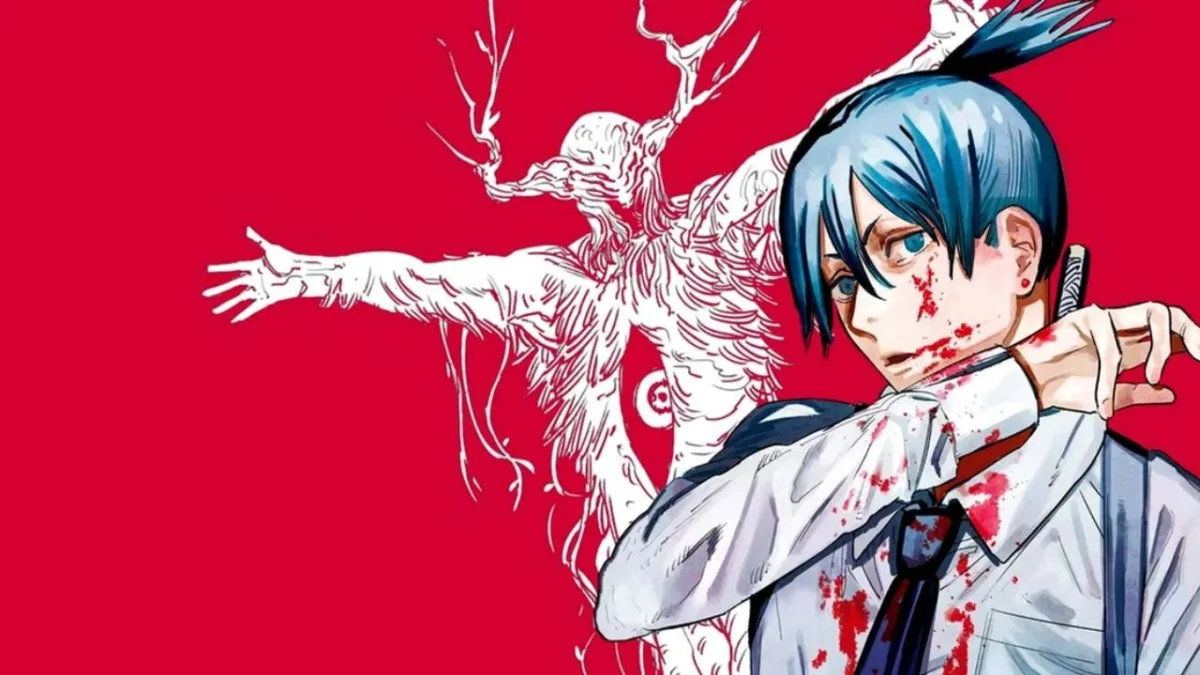
In Chainsaw Man, the horror goes beyond the grotesque creatures. Among all the demons in the universe created by Tatsuki Fujimoto, the Gun Demon stands out as the most terrifying. Not only because of its absolute power, but because of what it represents: the collective fear of gun violence.
- Eiichiro Oda reveals the only pirate stronger than Gol D. Roger
- Kagurabachi 88: Spoilers, Release Date and Schedule
Born from global anxiety about wars, weapons, and insecurity, the Weapon Demon carries a brutal symbolic weight. Thus, its appearance transforms the world, leaving trails of destruction and redefining the political, social, and emotional balance of all the characters involved.
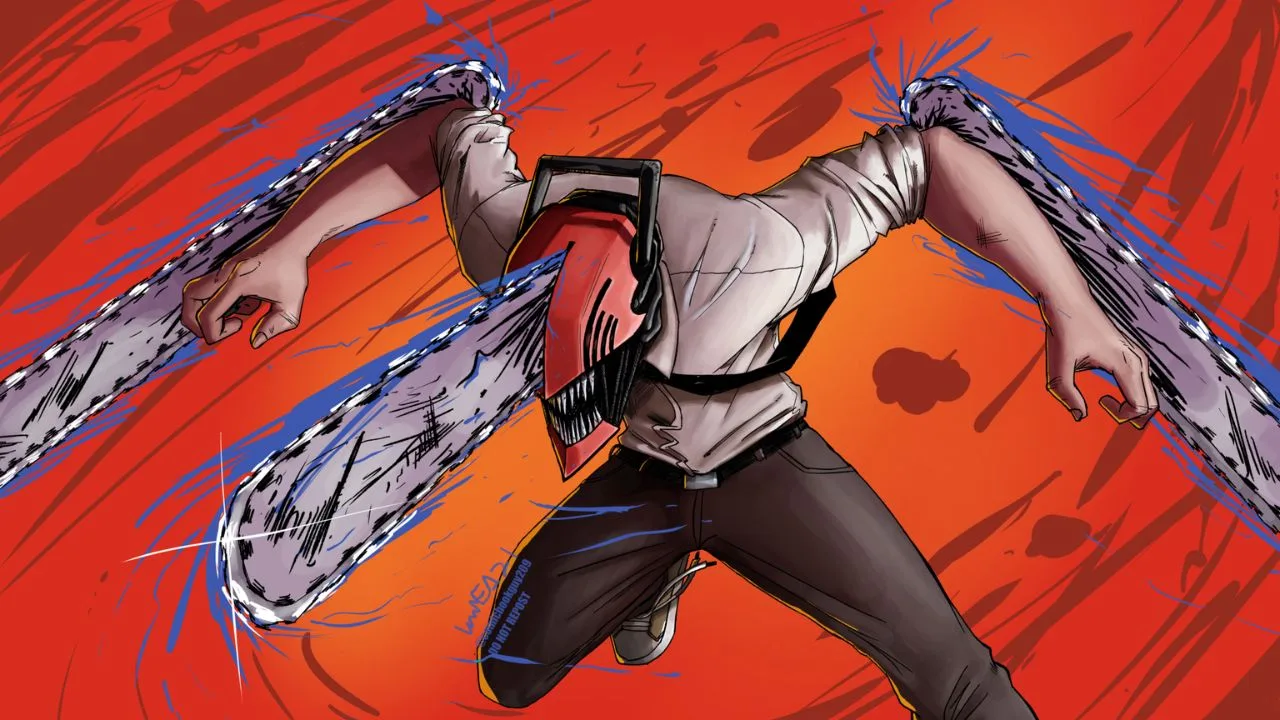
The origin of the Weapon Demon and the collective fear behind its creation
In Chainsaw Man, demons are born from fear. The deeper and more widespread the fear, the more powerful the being that emerges becomes. The Demon of the Gun is a direct reflection of the global paranoia generated by armed conflicts and mass shootings.
This constant panic didn't arise from a single event. It formed slowly, fueled by decades of insecurity and violent news. Until, thirteen years before the main events of the series, the threat became real: in less than six minutes, the demon killed more than 1.2 million people in Japan alone.
Furthermore, the devastation was so great that the entire world was in shock. Cameras captured flashes of light, gunshots, and a monstrous figure surrounded by ammunition, like a metallic hurricane.
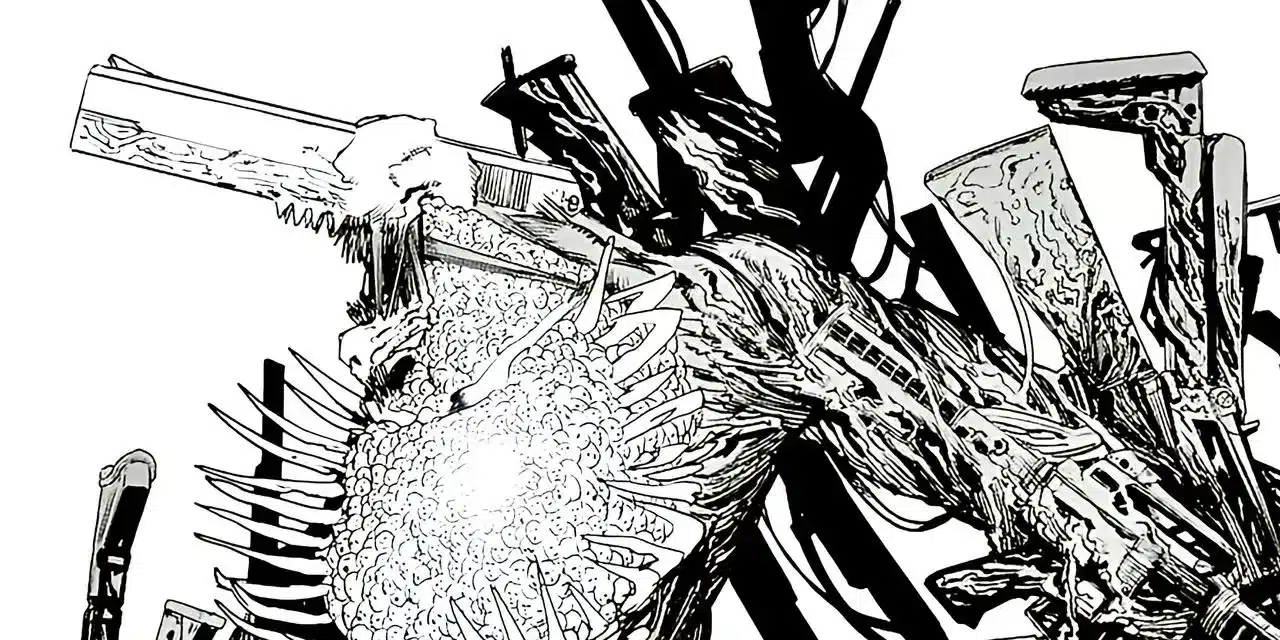
The global impact of the destruction and the birth of a new arms race
After the attack, pieces of the Weapon Demon's body were scattered across various countries. These fragments, composed of incredibly powerful demonic flesh, became valuable items, as sought after as nuclear material.
Governments began to hide information about the demon, trying to avoid new outbreaks of panic. At the same time, they drastically expanded the operations of the Demon Hunters. The world entered a new era of tension, where fear became a weapon and information, a shield.
Furthermore, the illegal trade in this demonic flesh flourished, fueling the black market and transforming pieces of terror into symbols of strategic power.
The pain of Aki Hayakawa and the human face of tragedy
The destruction caused by the Demon Weapon didn't just affect nations; it affected lives. Aki Hayakawa, one of the central characters in the story, lost his entire family in a matter of seconds. This pain shaped his every step from then on.
Driven by revenge and the need to find meaning in tragedy, Aki joined Public Security and made increasingly risky pacts with other demons. His journey is marked by silent sacrifices, carrying in his heart a grief that has never healed.
The author uses Aki as a mirror of the catastrophe. While governments count the dead in spreadsheets and speeches, Aki carries the absence in silence, a grief that breathes.

What to expect from the weapon demon and its transformation?
For a long time, the Weapon Demon existed only as a memory. Fragmented and sealed, it seemed harmless. This changed when the President of the United States, fearing Makima's rise to power, made a direct pact with the demon.
In exchange for one year of life from every American citizen, the monster was summoned to eliminate Makima. The result was a massacre on a colossal scale. Even incomplete, the Weapon Demon devastated everything around it.
Makima, however, managed to subdue the creature and used its body to transform Aki into a Fiend, a possessed entity. This decision led to the most painful moment in the series: Denji had to confront and kill his best friend, now unconscious.
The Demon of the Gun as a symbol of modern society
The threat of the Demon of the Gun goes beyond physical strength. It represents a repeating cycle: the attempt to control fear only generates more fear. In Chainsaw Man, guns promise safety, but deliver despair. Demons promise power, but demand sacrifice.
Each bullet carried by this villain holds a metaphor: the human attempt to protect with violence that which violence has destroyed. Fujimoto exposes the illusion of security and transforms horror into social critique.
Even after its fall, fragments of the demon continue to be used by governments and organizations. Thus, terror never disappears, it only changes form.
Stay up to date with more news on our official WhatsApp and follow AnimeNew on Instagram .