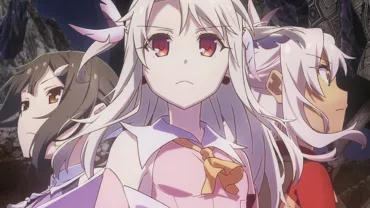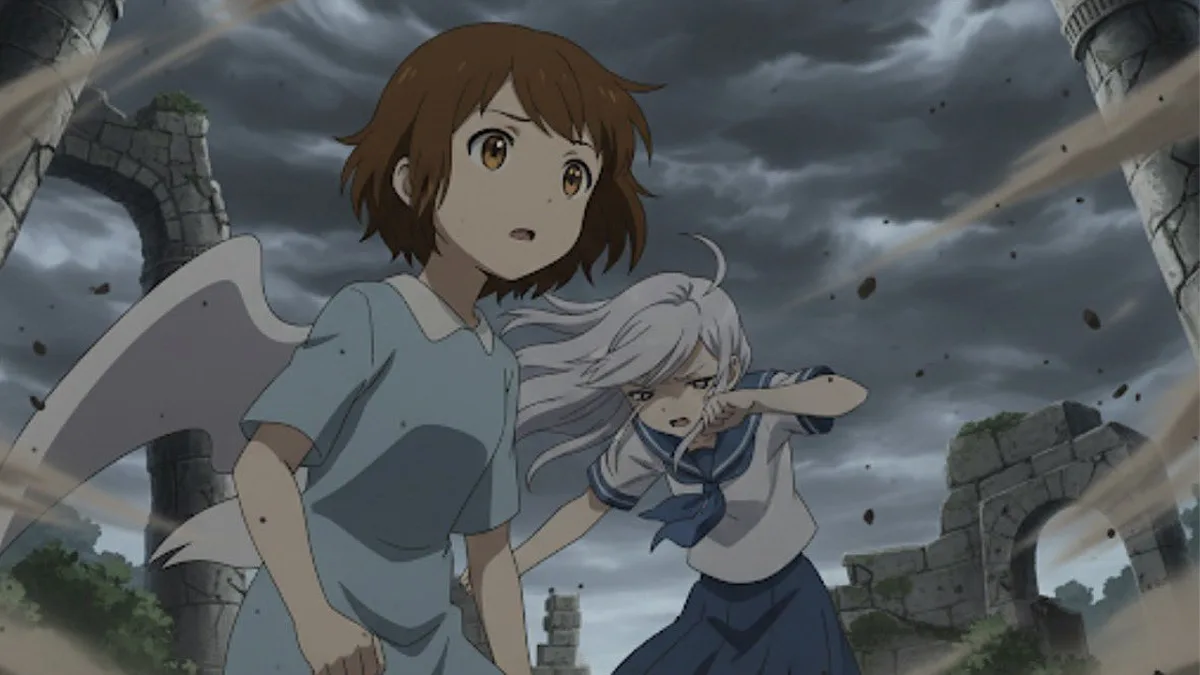
Animator Aiden Guo (@sish3nfan) , known for his work on episode 1024 of One Piece , shared a new AI- generated animation test . The result drew attention for approaching the quality of a sakuga scene in anime (a moment where the animation reaches above-average quality , with fluidity, detail, and visual impact far superior to the rest of the episode).
According to Guo, the Luma Ray 3 model brought significant improvements, mainly in the fluidity of the characters' running. He highlighted that there are still inconsistencies typical of AI systems, but believes that the advancements are bringing us closer to more natural and convincing movements within an action scene.
Luma Ray 3 test. The running has improved a lot from the last model. As with any AI models, there will be inconsistencies, but I think it inches ever closer to a quality anime sakuga action scene with actions that make sense. pic.twitter.com/Hu0R99zj5b
— Aiden Guo (@sish3nfan) September 18, 2025
The future of animation with AI
However, in the comments, one user suggested that the future may move towards a hybrid workflow, in which human artists would create the initial storyboards, AI would generate various scene variations, and professionals would do the final editing. In this model, character design and key scenes would still require strong human involvement.
Guo responded by reinforcing this view. For him, AI should act as an assistant , not a replacement.
“I believe that studios would benefit from an AI-assisted workflow, not a replacement. In practice, some productions already use this behind the scenes. At the moment, the results are not yet good enough for professional use. At best, it can serve as a draft.”
An evolving path
This type of test opens up important debates about the role of technology in the animation industry. Although still limited, AI is beginning to establish itself as a creative support tool, capable of accelerating stages without eliminating human artistic value.
Source: X (@sish3nfan)