

Chapter 203 of Chainsaw Man, published this Tuesday, May 20th, continues the direct confrontation between Denji and Fakesaw Man. The sequel picks up exactly where the previous chapter left off, with the fake Chainsaw intensifying his attacks and Denji trying to dodge the blows. The problem is that with each dodge, the humans trapped inside the enemy's body are hit, begging Denji to save them.
- Boruto Two Blue Vortex 22: Oath puts Boruto at risk
- Crusher Joe Rebirth returns after a 3-year hiatus
In the midst of the conflict, one of the human faces warns that Denji's deviations only hurt them more. He suggests that the protagonist aim for the enemy's heart, trying to eliminate him without killing the innocent. Denji argues that, like in video games, the minions die when the boss is defeated. The response irritates a woman, and Fakesaw attacks again, this time exposing his heart. Denji hesitates upon seeing a human face emerging from the target and is hit soon after.
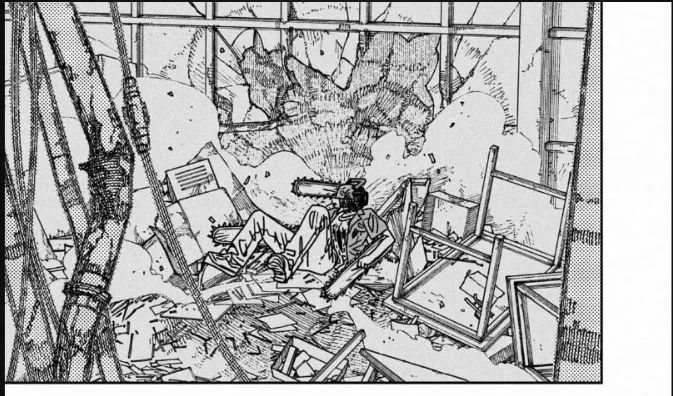
Yoru's intervention and Denji's dilemma
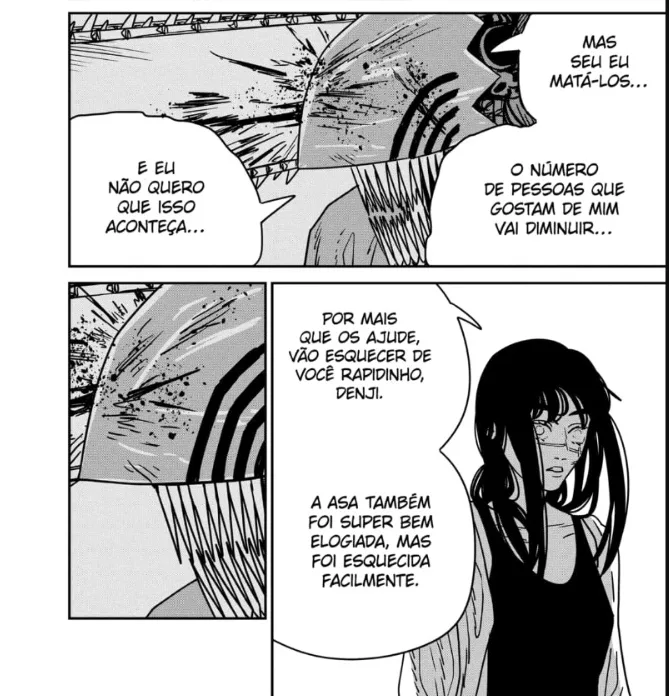
Thrown against a building, Denji crashes through a wall before encountering Yoru, the Demon of War. She tells him he won't win as long as he pities the victims. Denji replies that he doesn't like the idea of killing them, as it would reduce the number of people who love him. Yoru counters, stating that even if he saved them, he would be quickly forgotten, as happened with Asa Mitaka.
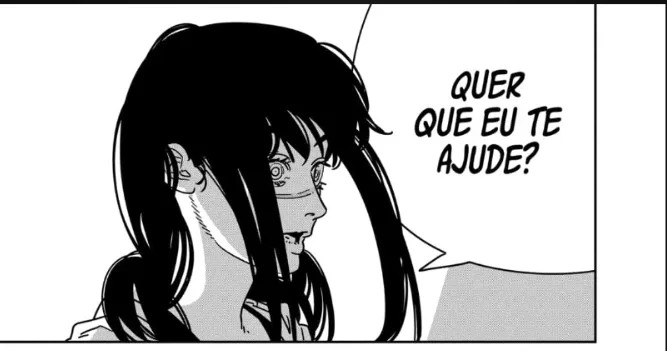
The character offers help after illustrating her thesis with the example of Asa, whose fame was fleeting. Denji and Yoru exchange silent glances until the building begins to tilt. The collapse is the work of the Falling Devil, who reveals that he lifted the entire structure into the air. As debris falls, the villain addresses the audience below with threatening phrases.
She orders everyone to “feel fear” and “become the main ingredients,” making her desire for destruction clear. Someone throws the structure toward the defenseless crowd, missing it directly but passing very close. Among those threatened is Fami, the Demon of Hunger, who watches everything with a terrified expression.
Tense atmosphere heralds a new phase in the plot
The simultaneous appearance of Yoru, Falling Devil, and Fami marks a turning point in the narrative. Although the chapter doesn't offer immediate resolutions, it sets the stage for greater conflicts. Yoru's intervention suggests an unexpected alliance, while the building's collapse hints at serious consequences.
Fami's presence on the scene amplifies the gravity of the situation. Despite being a powerful entity, she proves vulnerable in the face of the imminent attack. This detail highlights Falling Devil's power and foreshadows an escalation in the conflicts between the main demons.
At the same time, Denji's moral conflict reinforces the duality that drives the character. Torn between saving innocents and defeating the enemy, he faces a dilemma that could define his next steps. Yoru's words echo this impasse, underlining the fleeting nature of public admiration.
Expectations for the next chapters of Chainsaw Man
The narrative built in chapter 203 suggests that the conclusion of the second part of Chainsaw Man is near. The presence of central characters and the growing tension indicate that decisive confrontations are approaching. The possible arrival of the Demon of Death, already speculated by fans, should further intensify the climax.
For readers, the slower pace of this episode may seem frustrating. Still, the focus on strategic dialogue and symbolic constructions shows the author's care in paving the way for an impactful conclusion. The use of metaphors about fame and oblivion reinforces the critical tone present in previous arcs.
With this, Chainsaw Man moves towards a conclusion that promises to unite drama, action, and existential reflections. Chapter 203, although discreet in direct action, plants the seeds of a confrontation that could redefine the course of the story.