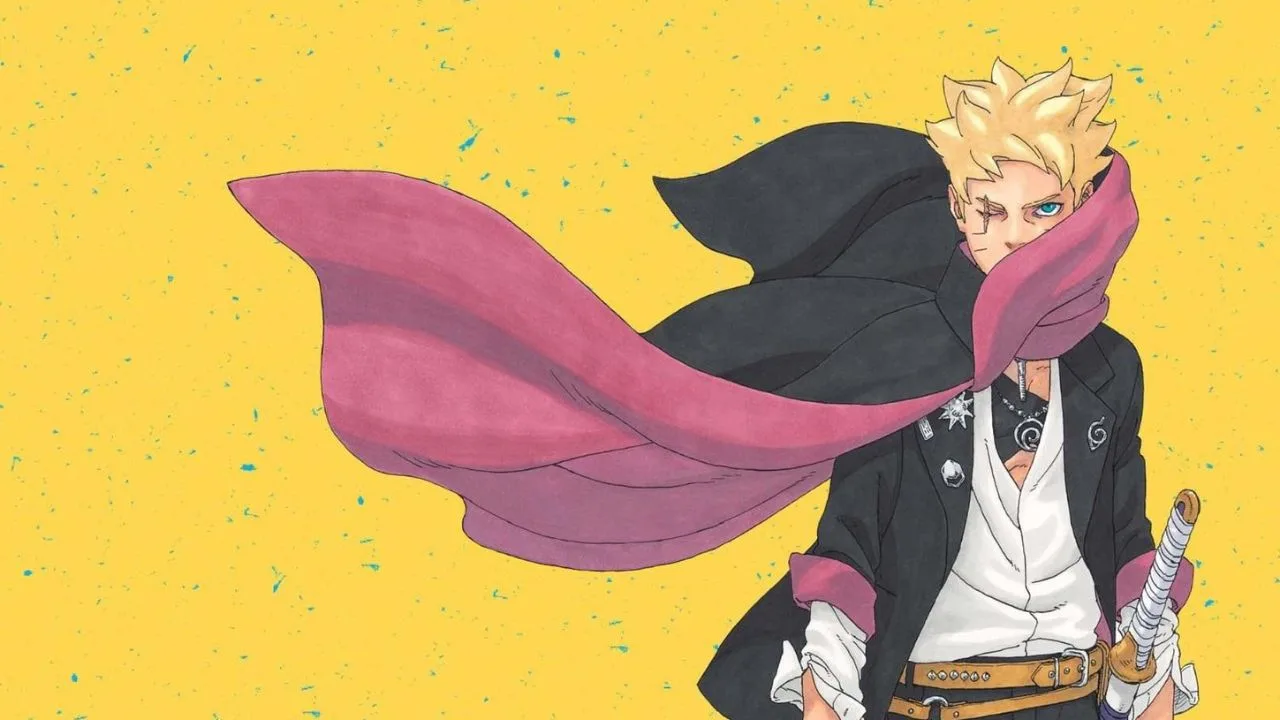
With Boruto: Two Blue Vortex, the manga finally seems to take on its own tone, distancing itself from the shadow of Naruto. The time jump wasn't just an aesthetic or commercial solution, but a narrative decision that altered the story's pace, the characters' development, and the type of conflict presented.
Instead of relying on incessant battles or family legacies, the new phase invests in tension, silences, and consequences—elements that suggest a more mature approach. But is this change profound, or just a new layer on top of the same youthful structure? By analyzing the manga's current narrative pace, some answers begin to emerge.
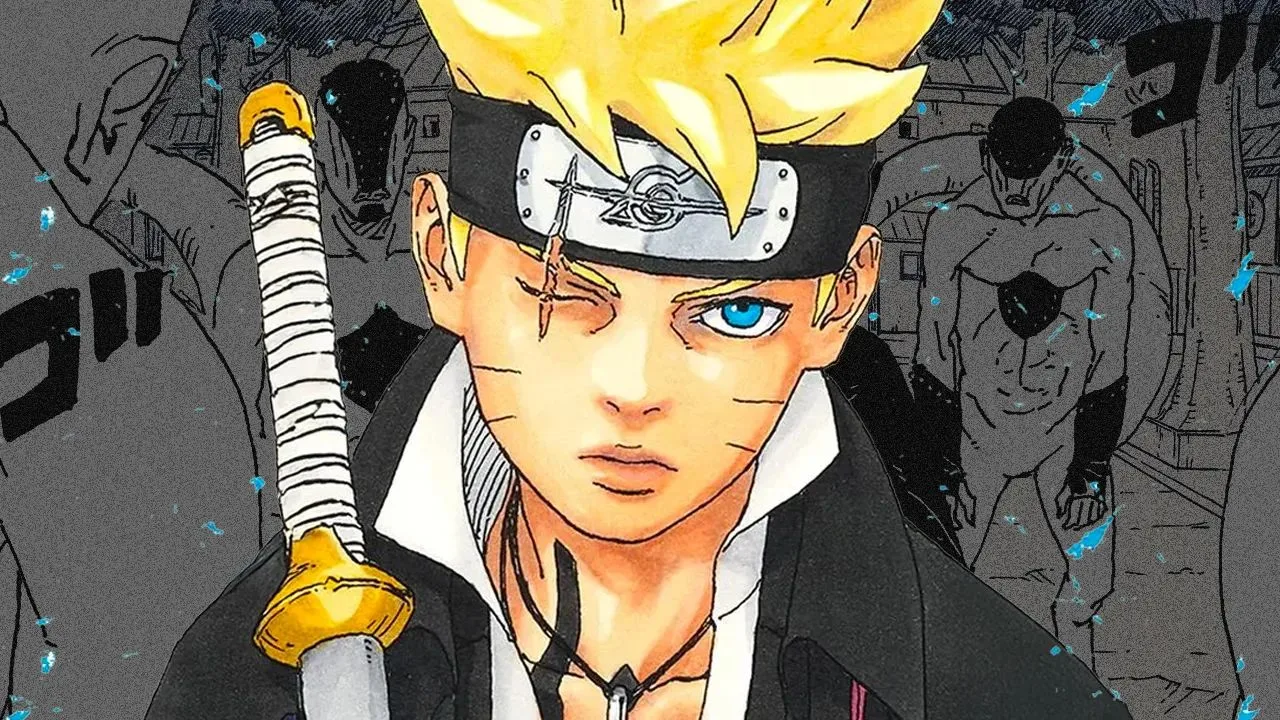
A new cadence for the Boruto Two Blue Vortex story
The most noticeable change in Boruto Two Blue Vortex is in the pacing. In the previous phase, the manga frequently alternated between episodic plots, comedic moments, and shallow conflicts, with one foot in slice-of-life and the other in classic shounen formulas. In the current phase, the manga works with a slower, more tension-filled cadence. The manga reveals information gradually and builds the atmosphere before delivering any immediate resolution.
This new rhythm seems designed to reinforce the gravity of the current moment: Boruto is now a fugitive; Kawaki, a supposed hero; and everyone lives under a memory inversion that distorts their previous relationships. The focus is not only on "what happens," but on how and why things are happening the way they are.
A protagonist (finally) defined
For much of Boruto: Naruto Next Generations, the protagonist struggled not only against enemies, but against his own narrative identity. He oscillated between being a reflection of his father, a generic boy, and a reluctant hero. In Two Blue Vortex, Boruto begins to assume a more consistent role: he is someone who carries the weight of distorted truth, persecution, and the fear of failure. His actions now stem not from impulses or stubbornness, but from calculations, distrust, and trauma.
The difference lies in his gaze. Boruto no longer has the same sparkle in his face, and this is visible in both the art and the dialogue. He is more economical with words, more direct in his decisions, and less susceptible to naiveté. This transformation makes the character more believable, more human, and more interesting to follow.
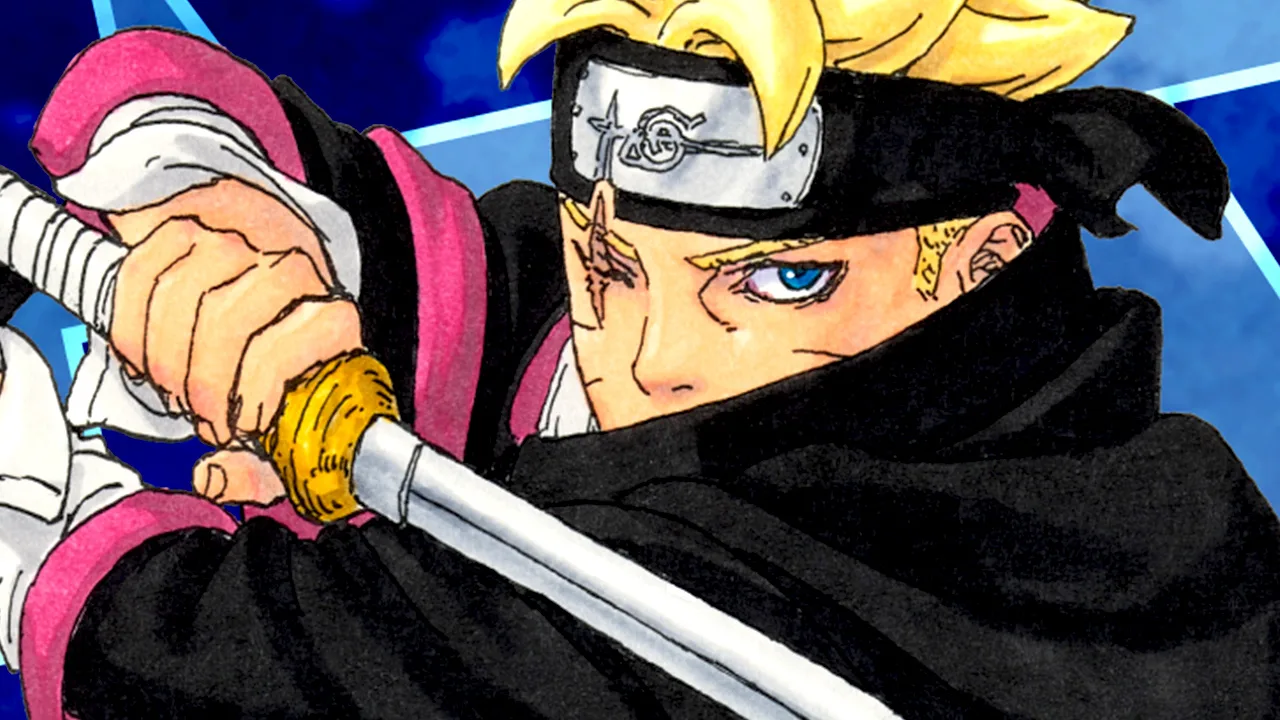
Kawaki and the gray morality in Boruto Two Blue Vortex
If before Kawaki functioned as the typical anti-hero, now he occupies a much more ambiguous position. The role reversal between him and Boruto, aided by Eida's manipulation of memories, places Kawaki in a morally unstable position: he is admired by those who don't remember what he did, but continues to act with coldness and paranoia.
This layer of complexity is reinforced by the way the manga portrays his choices. Kawaki is not depicted as a caricatured villain, nor as someone redeemed. He acts out of conviction, but his worldview is distorted by the fear of losing Naruto and by an extremist idea of protection. The presence of this moral ambiguity reinforces the more mature aspect of the new narrative structure.
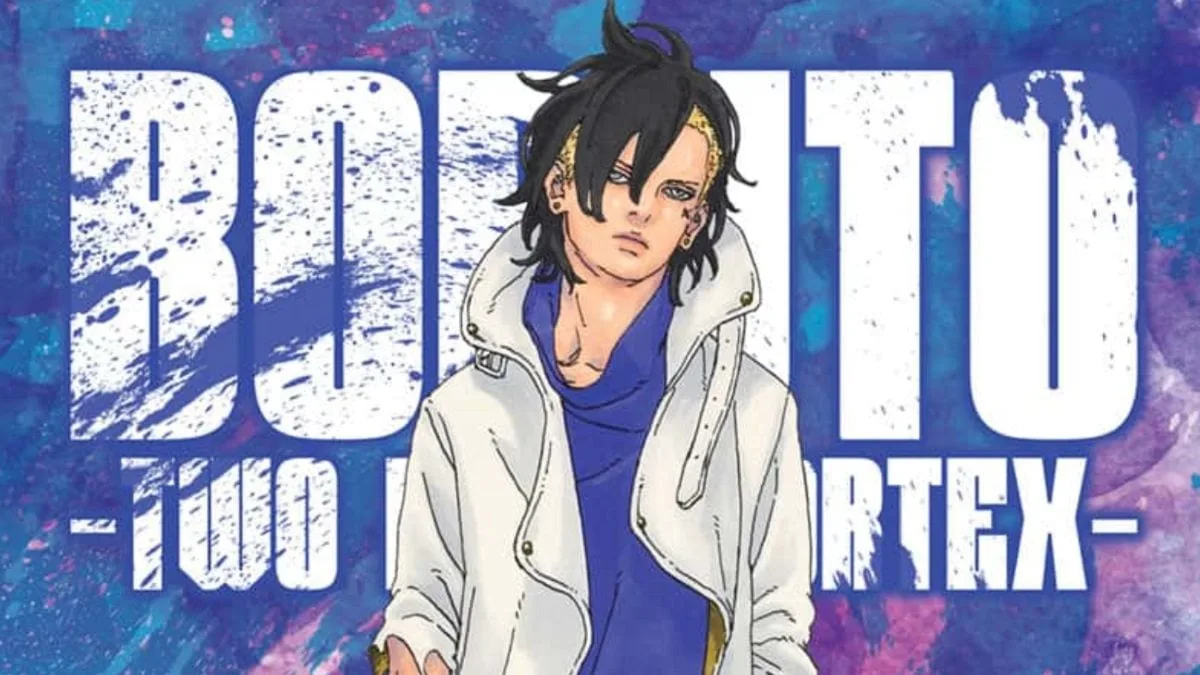
Sarada, Mitsuki, and the weight of absence
The new phase also demands patience from the reader regarding certain characters. Sarada begins to gain prominence as a disruptive figure: she remembers the truth, challenges the authorities, and tries to act as a link between the past and the present. However, her protagonism is still limited. Mitsuki, on the other hand, has been practically silenced—a frustrating move, but consistent with the plot's intention to build tension and mystery.
This absence is not gratuitous: it serves the suspenseful structure that the manga chose to build. By keeping certain characters out of the picture or under emotional control, Two Blue Vortex amplifies the feeling of instability and makes the universe more unpredictable, more restless. This may alienate those who expected constant action, but it wins over those seeking depth.

Villains, threats, and subtext
The new enemies are not merely physical obstacles. They function as metaphors for a world in ruins, a displaced youth, and a broken power system. Furthermore, the manga doesn't simply depict fights; it suggests that there's more at stake than victory or defeat: there are conflicting ideas about destiny, identity, and legacy.
This subtext was practically nonexistent in Boruto's initial phase, where everything seemed to revolve around "protecting the village" or "showing that I'm strong." Now, the chapters bring symbolic layers, with themes such as distortion of the truth, emotional isolation, and psychological survival.
Long-term investment?
Boruto: Two Blue Vortex is still in its early chapters, and it's too early to say whether this more mature structure will be sustained until the end. The monthly serialization presents a challenge: maintaining interest without major weekly events. But if the creative team continues to invest in building tension, moral ambivalence, and emotional focus, there's a real chance of transforming Boruto into a more relevant manga, not just a successor to Naruto, but a work with its own voice.
If the plan succeeds, the manga may finally earn the respect of even those who abandoned reading it years ago. And if it fails, at least it will have attempted something the previous phase never dared: to take its world and its conflicts seriously.