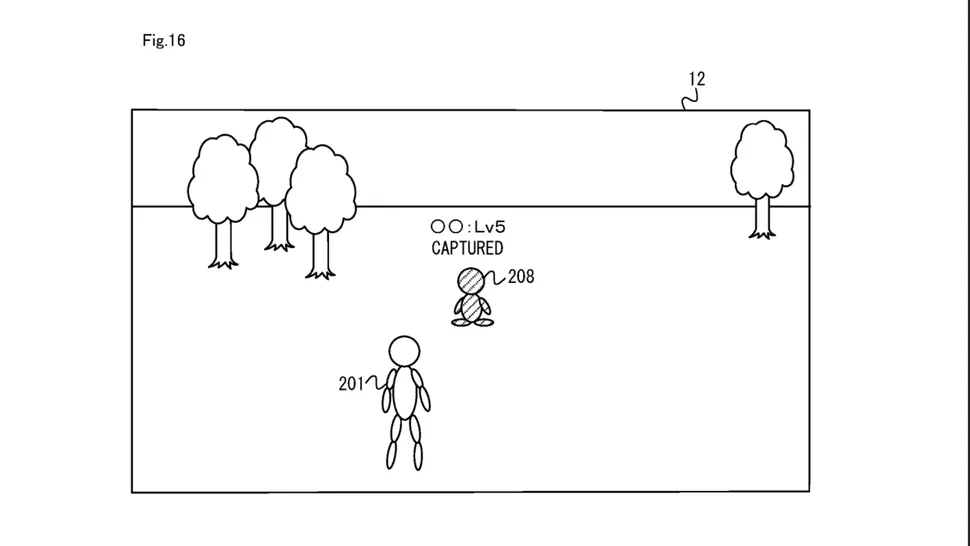
Nintendo has secured a patent in the United States that has reignited debates about intellectual property in the gaming industry. The patent, granted by the USPTO, describes a system in which players can summon AI-controlled companions to battle or explore environments. While the mechanic may seem familiar to fans of Pokémon and other RPGs, the fact that it is now legally protected has raised questions about originality and potential barriers to innovation.
- Dragon Ball: Sparking! Zero shows gameplay for Nintendo Switch 2
- Magic: The Gathering should ban a Final Fantasy card
Experts point out that the decision sets a worrying precedent, since similar mechanics have been used for decades in different franchises. Critics argue that the patent may serve less as protection and more as a tool to pressure competitors, especially independent studios developing titles with similar concepts.
What does the patent guarantee to Nintendo?
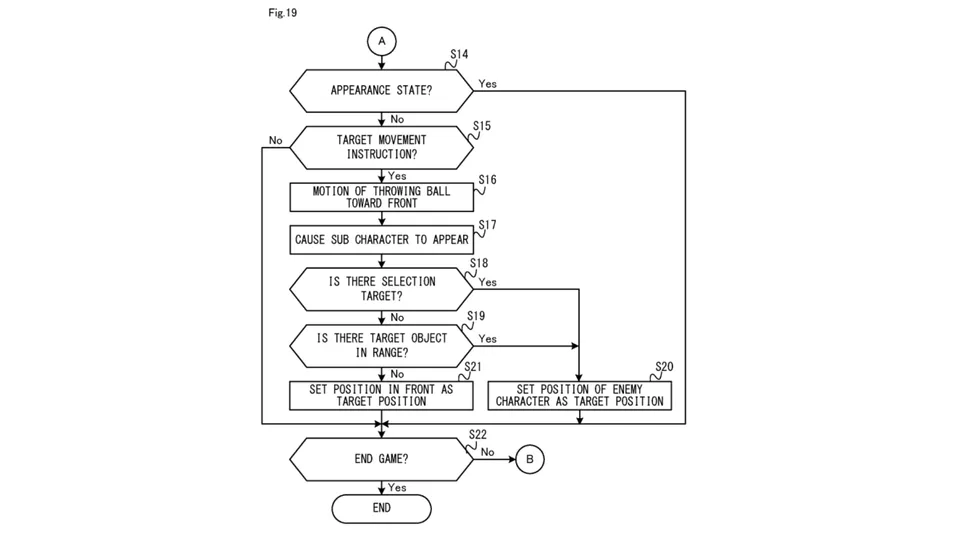
According to the official document, Nintendo now holds the rights to a summoning system in which the assist character reacts to direct commands from the player. If there are no enemies, this companion can move freely through the environments, maintaining the immersion of the experience. The idea directly relates to Pokémon, but also applies to other universes of the company, such as Pikmin.
Why is the decision controversial?
Many professionals in the field see the approval as a "mistake" in the patent system. Attorney Kirk Sigmon, an expert in intellectual property, stated that the USPTO analyzed the application superficially and that the granting creates a "shadow" over the industry. He emphasizes that the concept is not new and has already been explored by several previous games. Other lawyers add that, despite being registered, the patent may not hold up in court if Nintendo decides to sue competitors.
History of Nintendo disputes
The Japanese company has already been involved in several legal battles against developers who have released games with mechanics similar to its franchises. The most recent case involves Palworld, which features collectible creatures and combat systems similar to those seen in Pokémon. With the new patent, Nintendo strengthens its legal arsenal, expanding the possibility of legally challenging even independent productions that use similar systems.
Risks for independent studios
For large companies, facing a lawsuit can be costly but feasible. For smaller studios, however, the threat of litigation acts as a creative and financial barrier. Developers may avoid including certain mechanics in their games simply to escape potential disputes. This scenario raises concerns about the limitation of creative freedom and the direct impact on the RPG and action game market.
The future of RPGs in light of patents
It remains uncertain how Nintendo will use this registration. Some believe the company is simply seeking to protect its intellectual property, while others see the move as a way to discourage competition. The fact is, the industry will need to closely monitor future developments, as any legal action based on this patent could redefine how classic RPG systems are implemented.
Stay up to date with more news on our official WhatsApp and follow AnimeNew on Instagram.