
The release of GTA 6 marks a new chapter for one of the most influential gaming franchises. While the game promises technical and narrative innovations, public expectation also rests on how it will relate to previous titles. The connection to the series' legacy may be one of Rockstar's main assets in maintaining a cohesive and engaging universe.
- GTA 6 was rejected three times before the final version
- GTA 6 may have its final chapter rewritten after plot cuts, according to rumor
Maintaining this continuity doesn't mean repeating old formulas, but rather integrating subtle references, memorable characters, familiar locations, and narrative elements that are part of the players' emotional memory. This strategy, in addition to reinforcing the franchise's identity, can serve as a starting point for new stories, thus keeping veterans engaged and introducing newcomers to an already established universe.

Reusing classic maps in a new context
An effective way to connect GTA 6 to previous games is through the use of remodeled sections of classic maps. By incorporating familiar areas like Vice City or Liberty City, even partially, the game can evoke nostalgia in veteran fans without compromising the original storyline. These environments can serve as mission zones, secret locations, or landmarks, enhancing the sense of belonging within the franchise's universe.
Appearances of old characters in new narratives
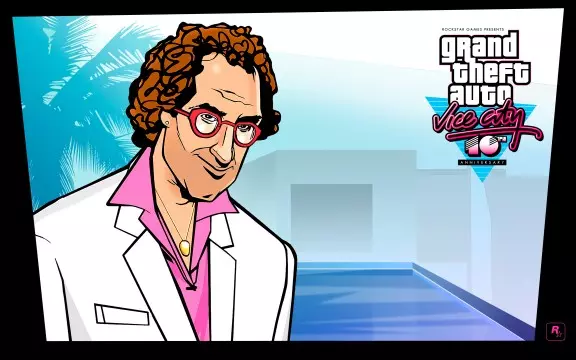
The occasional return of iconic characters can create narrative bridges between titles, even if their appearances are brief or indirect. Figures like Ken Rosenberg or Brucie Kibbutz can appear in radio calls, messages, or secondary interactions. This approach allows for paying homage to previous games without compromising the protagonism of new characters, and also encourages players to carefully explore the details of the plot.
Presence of items and objects with historical value
Including objects that were part of previous storylines, such as legendary weapons, classic vehicles, or contested artifacts, is a subtle way to reaffirm the continuity of the universe. Furthermore, these elements function as visual and functional reminders, enhancing player recognition and fueling the franchise's internal mythology. When well integrated, these objects add depth to the game world without relying on superficial nostalgia.
Strategic insertion of established gangs and factions
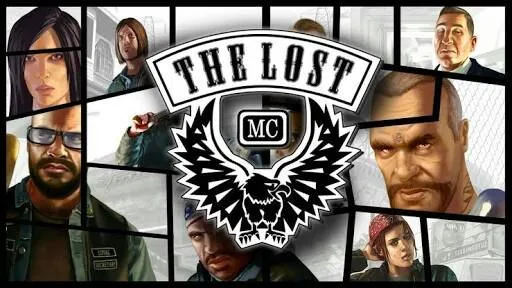
Criminal organizations play a central role in the franchise's setting. Incorporating groups already known to the public, such as the Triads or the Lost MC, can expand the connections between the games and enrich the local conflicts within GTA 6. The presence of these factions reinforces the identity of the GTA universe and allows for narrative crossovers with past episodes, paving the way for political disputes, temporary alliances, and old rivalries.
Easter eggs as a form of parallel narrative
Easter eggs are more than just visual gags. When used well, they function as a second narrative layer. In GTA 6, hidden references to events and characters from previous games can stimulate curiosity and increase players' exploration time. These hidden clues reward the most attentive and strengthen community engagement, which often mobilizes to decipher them collectively.
Why continuity matters for the success of GTA 6
Maintaining ties with previous games isn't just a matter of fan service; it's a strategy that values the franchise's shared universe. Building coherent connections helps give consistency to the plot, expands narrative possibilities, and rewards fans who have followed Grand Theft Auto since the first titles. Thus, GTA 6 can offer an innovative experience without losing the soul of the series that has captivated millions of players worldwide.